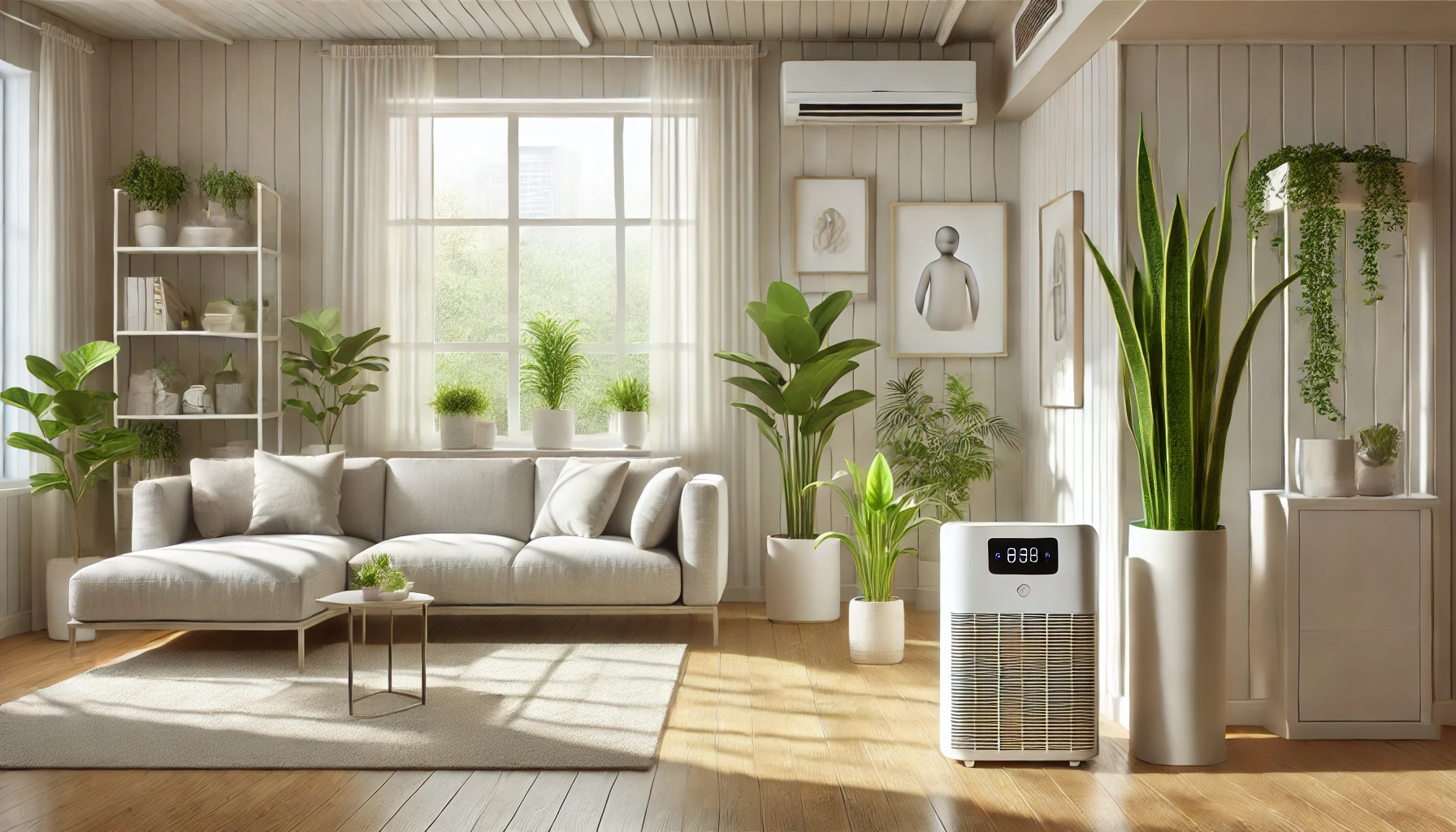
Delhi’s air quality is the talk of the nation now. With rising AQI levels, smog-filled mornings, and prolonged exposure risks, families today are becoming more conscious about the air they breathe, not only outside but inside their homes. People from Delhi are preferring to spend more time indoors working, studying, or simply relaxing, so naturally, home pollution control is of the highest priority now. Fortunately, pollution-proofing your home doesn’t always require major overhauls or expensive devices; even small, thoughtful lifestyle changes can have a big impact on your well-being.
Many modern properties in Delhi are already integrating smart ventilation systems, green spaces, and advanced air filters. So, choosing a reliable real estate developer in Delhi can make a significant difference.
For existing homeowners, there are still plenty of practical steps to improve indoor air quality without a major remodel. Let’s explore how.
Why home pollution control is a Growing Concern
Home pollution control often goes unnoticed because it’s invisible. But pollutants from vehicles, construction, dust storms, and factories easily seep indoors. Additionally, indoor air is also affected due to cooking fumes, low-quality paints, and poor ventilation worsen the problem.
These pollutants can lead to headaches, allergies, fatigue, respiratory issues, and long-term health complications. A well-planned home pollution control strategy ensures that the air inside your home remains cleaner, lighter, and healthier for your family.
1. Upgrade Ventilation: The First Line of Defense
Cross-ventilation is one of the simplest methods for home pollution control. Open windows during hours when outdoor pollution is low, typically early mornings or late evenings during non-smog periods.
Modern homes under well-planned real estate projects come with ventilation shafts, larger window structures, and automated systems to maintain continuous airflow. If your home lacks natural ventilation:
- Install exhaust fans in kitchens and bathrooms
- Add window ventilators
- Use air-purifying ventilators (ERV/HRV systems) for controlled airflow
Better ventilation ensures indoor pollutants don’t accumulate throughout the day.
2. Invest in Quality Air Purifiers
Air purifiers are no longer optional in high-pollution zones like Delhi. While choosing one:
- Look for HEPA filters (capture PM2.5, allergens, microbes)
- Ensure the CADR rating matches your room size
- Clean and replace filters regularly
Place air purifiers in areas where you spend the most time, like the bedroom, living room, and workspace. In apartments developed by a reputed real estate developer in Delhi, central air systems may already include built-in filtration, making indoor air even safer.
- Adopt Low-Pollution Cooking Habits
The kitchen is a major source of indoor pollutants, especially when cooking on high heat or using oil-heavy methods. Improve your kitchen’s air quality by:
- Using chimneys with strong suction
- Ensuring cross-ventilation
- Avoiding synthetic cleaners
- Switching to cleaner cooking oils that emit fewer fumes
Also, always keep your chimney and exhaust filters clean for maximum efficiency.
4. Bring Nature Indoors with Air-Purifying Plants
Plants are nature’s simplest air purifiers. They help absorb toxins and add oxygen to your home. Some effective options include:
- Areca Palm
- Snake Plant
- Money Plant
- Peace Lily
- Spider Plant
Place them near windows, study tables, kitchen corners, or balconies for aesthetic and health benefits. Plants are especially valuable if your home is not part of a modern, sustainability-focused real estate project with built-in green spaces.
5. Switch to Non-Toxic Home Products
Many everyday home items release harmful chemicals into the air. These include:
- Chemical-based cleaners
- Air fresheners
- Synthetic candles
- Low-quality paints
- Treated furniture
To improve indoor home pollution control, replace them with eco-friendly alternatives like:
- Plant-based cleaners
- Natural essential oils
- Beeswax or soy candles
- Low-VOC or VOC-free paints
Your home instantly becomes safer and more breathable.
6. Keep Your Home Dust-Free
Dust buildup is one of the biggest contributors to indoor pollution. Make these habits part of your routine:
- Deep-clean carpets and curtains often
- Vacuums with HEPA filters
- Use microfiber cloths instead of feather dusters
- Wash bedding weekly
- Declutter corners that gather dust
A dust-free environment greatly reduces allergies, asthma triggers, and pollutants carried from outside.
7. Maintain a Clean Entryway
Most pollution enters when you step inside with shoes, clothes, and bags from outside. To reduce this:
- Keep a doormat outside and inside your entrance
- Make your home a shoe-free zone
- Use closed cabinets for bags and outerwear
- Keep a separate laundry basket for clothes worn outdoors
A simple, well-maintained entryway minimizes the number of pollutants entering your living spaces.
8. Choose Homes Designed for Better Air Quality
If you’re planning to upgrade your home soon, consider choosing a property from a reputable real estate developer in Delhi that prioritizes sustainability and wellness. New-age housing now features:
- Green balconies
- Landscape zones
- High-efficiency air filtration
- Smart ventilation plans
- Anti-pollution construction materials
Such future-ready homes significantly enhance indoor home pollution control and reduce long-term health risks.
Conclusion
Home Pollution Control outside may not be fully in your control, but the air inside your home absolutely is. With a combination of better habits, smart devices, mindful choices, and modern home design, you can create a living space that feels fresh, clean, and safe every day.
As Delhi continues to evolve, so do its modern real estate projects, many of which are thoughtfully designed to combat pollution from the inside out. Whether you are renovating your current space or planning a move, prioritizing indoor air quality is one of the most valuable investments you can make for your family’s health and comfort.